How does gambling shape social dynamics in contemporary society
The Cultural Perception of Gambling
Gambling has historically been a controversial subject within society, often stigmatized as a vice. This perception influences how individuals view gambling activities and those who participate in them. In many cultures, gambling is associated with moral decay and financial irresponsibility. However, as society evolves, there is a growing acceptance of gambling as a form of entertainment, akin to attending a concert or sporting event. This shift has resulted in a complex relationship where gambling, even in contexts such as online casinos, is both embraced and criticized.

Moreover, the portrayal of gambling in media and popular culture further complicates this perception. Movies and television often romanticize the lives of gamblers, depicting high-stakes games and glamorous lifestyles, which can perpetuate myths about the realities of gambling. These portrayals contribute to a skewed understanding of the risks involved and can shape societal attitudes towards gambling as an acceptable leisure activity.
The Economic Impact of Gambling
Gambling plays a significant role in the economy, particularly in regions where it is legalized and regulated. Casinos and betting establishments generate substantial revenue, providing jobs and stimulating local economies. This economic benefit can create a positive social dynamic, as communities witness growth and investment due to gambling operations. However, the financial implications are not universally beneficial, as gambling can also lead to economic disparity and increased costs for social services related to gambling addiction.
The economic dynamics created by gambling can lead to social stratification, where certain groups may have greater access to gambling resources and entertainment. This disparity can foster tension between different social classes, as those with less financial stability may struggle with the negative consequences of gambling while wealthier individuals enjoy the benefits of casino culture.
Gambling and Community Interaction
Gambling establishments often serve as social hubs, bringing people together from diverse backgrounds. These venues can foster a sense of community, providing a space for social interaction and engagement. People gather at casinos, poker rooms, and betting shops not only to gamble but also to socialize, creating networks of friends and acquaintances who share common interests. This communal aspect of gambling can enhance social bonds and lead to a more integrated community.
However, the social dynamics within these environments can be complex. While gambling can foster connection, it can also lead to exclusion, particularly for those who choose not to gamble or cannot afford to participate. This division can create social rifts, as individuals may feel pressured to conform to the gambling culture or face ostracism. Understanding these dynamics is crucial for fostering inclusive environments where all community members feel welcome.
The Psychological Effects of Gambling
The psychological impact of gambling on individuals and society cannot be overlooked. For many, gambling serves as an escape from everyday stress and a source of excitement. However, it can also lead to addiction and various mental health issues, affecting not only the gambler but also their families and communities. The dual nature of gambling as both a source of joy and potential harm highlights the need for awareness and responsible gaming practices.
Furthermore, the normalization of gambling in society can desensitize individuals to its risks. As gambling becomes more integrated into social activities, people may underestimate the potential consequences of excessive gambling. This can lead to a cycle of addiction that complicates social dynamics, as communities must grapple with the challenges posed by gambling-related problems.
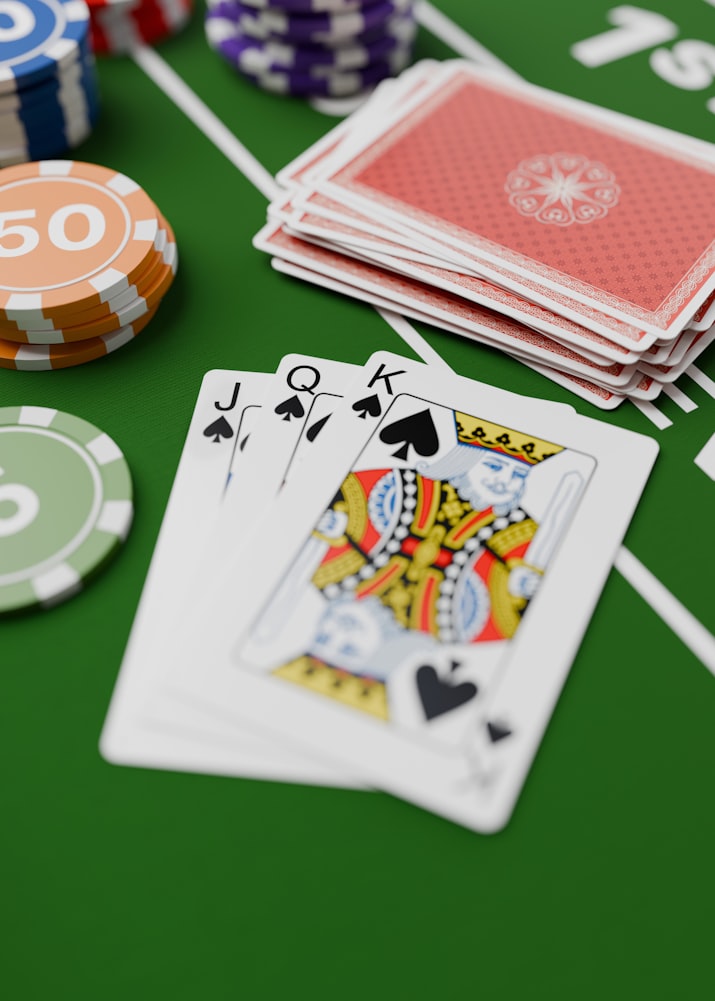
Exploring Gambling’s Role in Modern Society
The examination of gambling’s role in contemporary society reveals a multifaceted issue that impacts various aspects of life. From economic contributions to cultural perceptions, gambling shapes social dynamics in profound ways. It serves as both a unifying force and a source of division, illustrating the complexity of human behavior and societal norms.
As we continue to navigate the effects of gambling, it is essential to approach the subject with an open mind and a focus on responsible practices. By fostering awareness and understanding, society can harness the positive aspects of gambling while mitigating its negative consequences. This balanced perspective is crucial for creating healthy social dynamics in the face of an evolving gambling landscape.

Aún no hay comentarios, ¡añada su voz abajo!